Political polarization is often described as a disagreement in beliefs, but for many young adults, it feels much more personal. Today, political views are closely tied to identity, shaping how people interact, communicate, and build relationships. Because of this, polarization is no longer just a political issue, it is becoming a growing social and mental health concern.
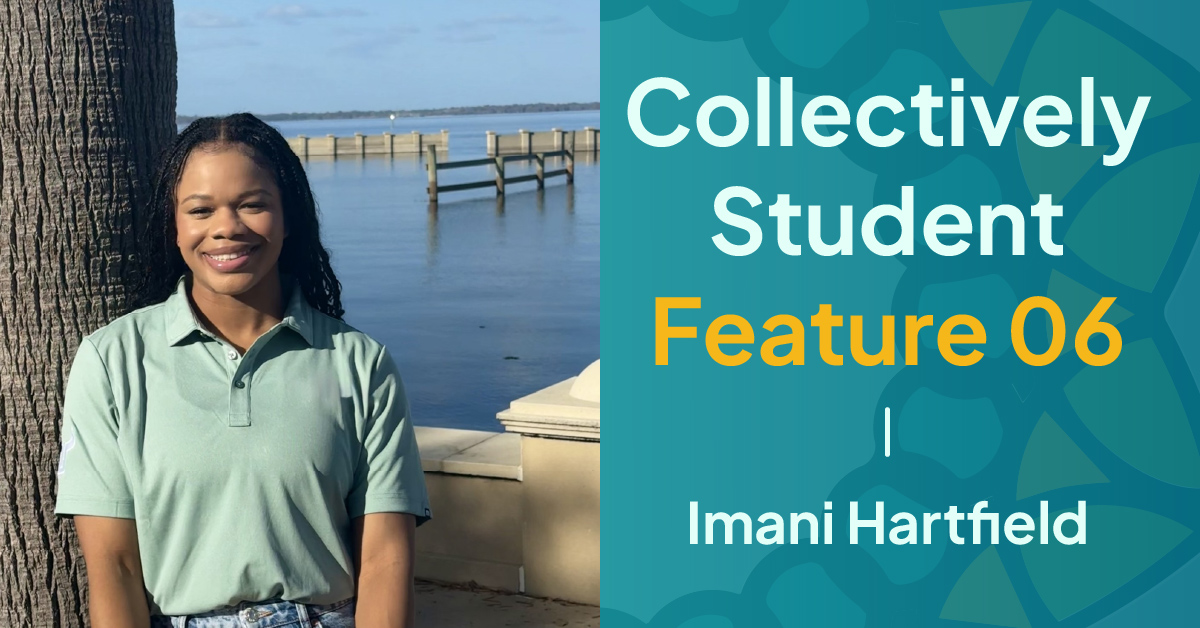
To better understand this, I conducted a survey of 50 young adults, most between the ages of 18–25. While a strong majority felt their generation is deeply divided, that division does not always show up as direct conflict. Instead, it often leads to something quieter: avoidance. Many respondents shared that they hold back their political views to prevent tension, even when they feel somewhat safe expressing them. In other words, feeling safe and actually speaking up are not always the same.
Social media adds another layer. Many participants reported feeling stressed, anxious, or emotionally drained by political content online. Constant exposure to debates and negative interactions can intensify emotions and reinforce the idea that division is unavoidable, leaving individuals feeling overwhelmed over time.
This has real implications for connection. When political conversations begin to feel uncomfortable or risky, people may withdraw or limit themselves to like-minded groups. While this can feel easier, it can also reduce opportunities for meaningful conversations and deeper relationships.
At the same time, there is a clear bright spot: connection itself. Many respondents shared that they have at least one person they can talk to openly about politics. These relationships help reduce stress and create a sense of belonging, showing that even in a divided environment, safe and supportive spaces still exist.
Political polarization among young adults is not just about disagreement, it is about how those disagreements shape emotional experiences and relationships. Addressing it requires more than changing opinions; it requires creating spaces rooted in respect, emotional safety, and open dialogue.
Because even in a divided world, connection still matters, and it makes a difference.